Date:2026-05-18 09:01:01
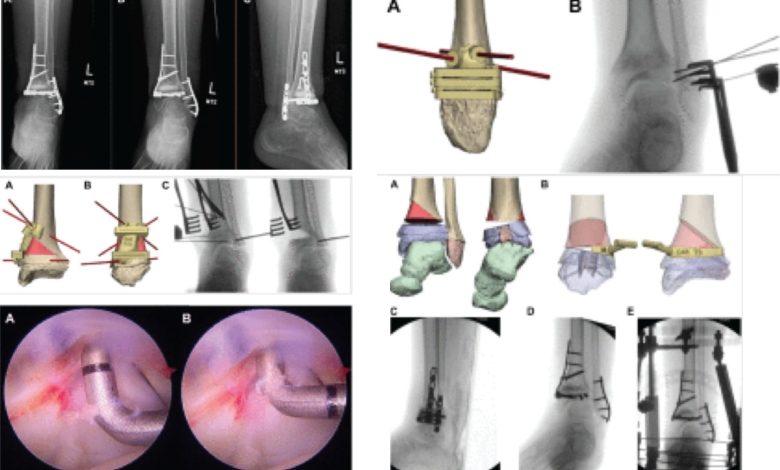
Researchers at Tampere University in Finland have developed a 3D printed ceramic implant material that is designed to replicate the chemical composition and physical architecture of natural human bone.
The work, led by Antonia Ressler, Postdoctoral Research Fellow at the Tampere Institute for Advanced Study, used hydroxyapatite — the mineral compound found in natural bone — as the base material, processed through ceramic vat photopolymerization to produce scaffolds tailored to individual bone defects.
“By using the same material that nature uses and shaping it through ceramic 3D printing, the implants can be precisely tailored to match a patient’s individual bone defect, without relying on drugs or growth factors that may cause side effects,” stated Ressler.
Porosity parameters and surface chemistry
Using ceramic 3D printing, the team exerted precise control over the internal architecture of each scaffold, including pore sizing and connectivity. The researchers identified an optimal configuration of approximately 400-micrometer internal pores and 45% porosity.
“This architecture achieved a crucial balance between strength and biological performance, allowing bone-forming cells to enter the material, interact with one another, and successfully begin forming new bone tissue,” said Ressler.
The team also identified a processing variable with direct implications for implant design: high sintering temperatures were found to alter surface properties in ways that reduced cell adhesion.
“We found that the high temperatures required during processing can alter the surface of the material in ways that make it more difficult for human cells to attach. Our finding highlights that not only the composition, but also the surface properties of biomaterials are critical for successful bone regeneration,” Ressler said.
Clinical outlook
Described as one of the first studies to systematically design, print and evaluate bone-mimicking ceramic scaffolds, Ressler indicated that patient-specific implants of this type could enter routine clinical use within ten years.
“This technology allows implants to be designed for individual needs – no more ‘one size fits all’ solutions. We believe these types of implants could be used in routine bone regeneration treatments within the next decade,” she added.