Date:2026-06-05 08:43:04
Postoperative gastric leaks are among the most serious complications of laparoscopic sleeve gastrectomy (LSG), occurring in 1–3% of primary procedures and up to 10% of revision cases. Current treatment relies on endoscopic internal drainage (EID) using biliary double-pigtail stents (DPS), which are devices designed for bile duct anatomy and used off-label in this setting, carrying an adverse event rate of 13.8%.
No purpose-built EID device for gastric leak (GL) management had previously existed, representing a significant unmet clinical need.
Developing the PETALS framework
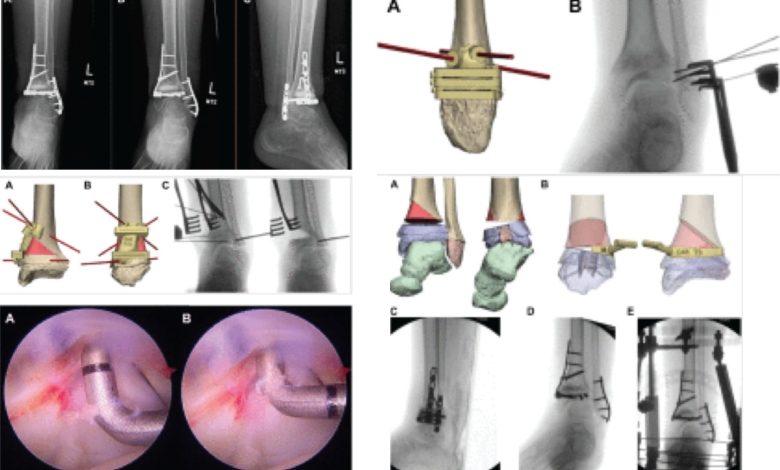
Researchers therefore developed PETALS — Personalized Endoscopic Transmural Abscess Leak Solution — a computational and analytical framework for optimizing stent geometry for transmural fluid drainage. Two-dimensional CFD simulations identified stent length and internal diameter as the dominant variables affecting drainage performance, while tail loop and side-hole geometry showed negligible hydraulic impact.
Two AM technologies were evaluated: selective laser sintering using polyurethane and stereolithography using Formlabs Flexible 80A resin, benchmarked against a commercial polyethylene Boston Scientific Advanix Biliary Stent. The SLS specimens exhibited non-uniform wall thickness and high surface roughness. The SLA Flexible 80A specimens recorded flow rates and mechanical properties closest to the commercial device, and were selected for the design optimization phase.
Lily stent performance
The PETALS framework produced two candidate designs, named Clover and Lily for their cross-sectional resemblance to the respective plants. The six-segment Lily design incorporated longitudinal fins and fenestrations at 5mm intervals to preserve a central guidewire lumen.
In benchtop testing, the Lily stent recorded a flow rate of 27.0 µL/s against 20.8 µL/s for the commercial DPS — a 30% increase in drainage efficiency and a 32% reduction in hydraulic resistance.
The Clover design underperformed relative to the commercial device. Short-term in vivo implantation showed no significant histological difference between Flexible 80A and commercial polyethylene after seven days.
The researchers estimated that a 30% faster drainage rate could eliminate at least one stent replacement procedure per patient, with potential US annual healthcare savings of $42.5 million. The team also noted that PETALS-derived geometries are compatible with conventional extrusion manufacturing, offering a path to off-the-shelf production without AM infrastructure at the point of care.
The research was conducted by teams at New York University Abu Dhabi and Cleveland Clinic Abu Dhabi, and published in Advanced Healthcare Materials.