Date:2026-07-29 08:51:21
Researchers at the University of Chemistry and Technology (UCT) in Prague, are working with doctors from Motol University Hospital to develop a custom-made, 3D printed titanium joint implant designed to release medication into the body gradually after surgery. The project uses a porous internal structure, produced on one of the country’s most advanced 3D metal printers, to combine the mechanical role of an implant with a built-in drug reservoir.
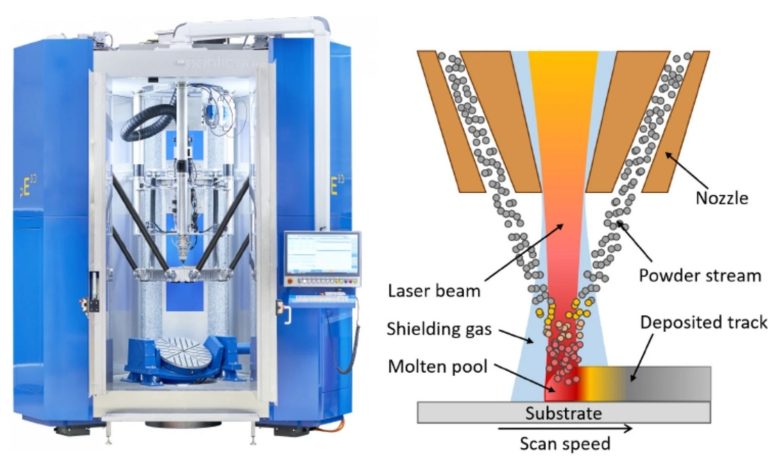
The printer builds parts by fusing successive layers of titanium powder with a laser, following a computer model divided into hundreds or thousands of cross-sections. A knee implant requires around 1,300 layers and takes roughly 10-and-a-half hours to print.
Porous structure mimics bone
Researcher Jiří Kubásek said the machine’s precision allowed it to reproduce structures resembling natural bone. “It’s an extremely precise machine when it comes to fine detail. It can be used to produce a variety of porous structures that mimic, for example, natural bone tissue,” he said.
UCT Prague researchers develop drug-releasing 3D printed titanium joint implants
Kubásek said the pores were sized to match those found in real bone tissue. “Bone tissue isn’t solid. It’s naturally porous, which allows body fluids to circulate through it. The pores are only tens to hundreds of micrometres wide, and this printer allows us to recreate structures of exactly that scale,” he explained.
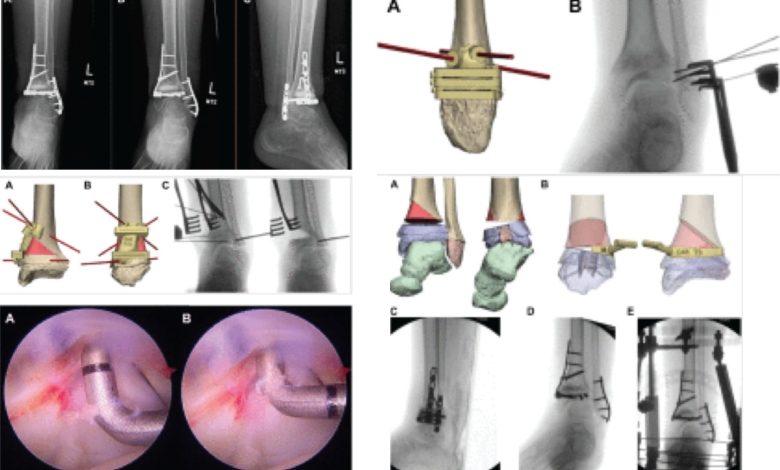
Professor Dalibor Vojtěch, who led part of the research, highlighted implants designed for the hip, shoulder and ankle. He said the porous structure encouraged bone regrowth while also acting as a reservoir for drugs tailored to individual patients.
Search for a safe drug carrier
The researchers’ main remaining task is to identify a carrier material that is safe for the body and breaks down slowly at a controlled rate.
Vojtěch described one candidate, a small white implant resembling a pill. “In this particular case, the implant is impregnated with a material based on sulphates, phosphates and silver, which has antibacterial properties. It also contains the antibiotic vancomycin, which acts as a barrier against post-operative infections,” he said.
If the approach proves successful, the researchers said future joint implants could deliver targeted treatment during recovery, reducing infection risk while releasing medicine directly where it was needed.