Date:2026-10-16 10:39:08
A team led by Adam G. Fish of the Department of Radiology at the University of Pittsburgh Medical Center (UPMC) has produced patient-specific 3D printed models for six patients with pulmonary arteriovenous malformations (PAVMs), and embolization achieved technical success in all eight lesions.
Two hereditary hemorrhagic telangiectasia (HHT) centers treated three patients each: four women and two men, mean age 50.3 years (range 16 to 87). All five patients tested were positive for the ENG mutation. Four lesions were classed as complex and four as simple, based on the number of feeding arteries. Technical success meant angiographic confirmation of complete occlusion with cessation of flow.
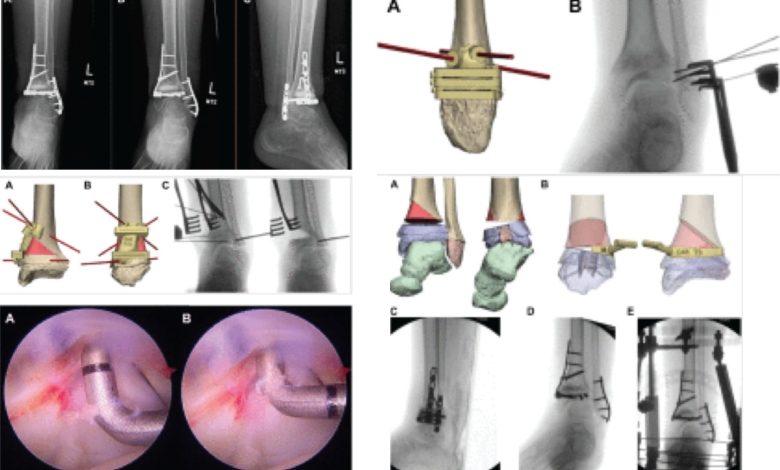
Models were segmented from thin-slice, contrast-enhanced CT scans, and a board-certified radiologist reviewed the segmentations. Printing used a Stratasys J750 or an HP MJF 580 system. The first center produced models for cases of anticipated high complexity, while the second also made them for typical cases, citing easier access to printing and lower costs.
Interventional radiologists at both centers used the models for planning and reference during procedures. In Patient 1, an earlier embolization attempt without a model had failed. The team used the model to heat-shape a catheter that selected the feeding artery, and the procedure was completed.
At the first center, physicians rated all three models 5 out of 5 for anatomic accuracy. The second center’s interventionalist described the models as helpful but not strictly necessary. Models were also used for patient education in five of six cases.
The study was retrospective, so the authors did not measure procedure time, fluoroscopy time, radiation dose or patient satisfaction.